Ever wonder what it feels like to spend a full day in Downtown Menlo Park before deciding whether the area fits your lifestyle? If you are exploring Menlo Park as a place to live, work, or simply spend more time, the downtown core offers a helpful snapshot of daily life. From coffee and shopping to parks, transit, and nearby civic spaces, here is a practical look at how a day around Downtown Menlo Park can unfold. Let’s dive in.
Start With a Walkable Morning
Downtown Menlo Park is centered on Santa Cruz Avenue and the Caltrain station, which gives the area a compact and easy-to-navigate feel. The city describes downtown as a walkable, tree-lined district, and that is a big part of its appeal if you value being able to run errands or meet friends without getting back in the car.
A morning here often begins with coffee and a stroll along Santa Cruz Avenue. The city highlights eateries, shops, and outdoor dining through its Streetary program, which helps give the area an active but relaxed street life. Because the station is only about a block from downtown, it is easy to picture a day starting on foot the moment you arrive.
Santa Cruz Avenue Sets the Tone
Santa Cruz Avenue is the main thread that ties downtown together. It is where you see the mix of local activity that makes the district feel more like a daily-use neighborhood center than a simple retail strip.
The city also plans a public plaza in the 600 block of Santa Cruz Avenue. That space is intended to be a place where people can sit, meet, and enjoy coffee or a meal, which speaks to the way Menlo Park continues to invest in downtown as a community gathering place.
Outdoor Dining and Everyday Stops
If you like places that feel active without feeling overwhelming, this stretch of downtown offers that balance. Outdoor dining adds to the energy, and nearby shops make it easy to combine practical errands with a more leisurely visit.
Caltrain’s downtown guide also points to a nearby bookstore and live-music venue. Together with the city’s emphasis on coffee, shopping, and al fresco dining, that gives downtown a day-to-evening rhythm that can appeal to both residents and visitors.
A Midday Stop at Fremont Park
At Santa Cruz Avenue and University Drive, Fremont Park gives downtown a visible public anchor. The city describes it as the historic heart of Downtown Menlo Park, and while it is small, it plays an outsized role in the area’s character.
You will find benches, shade, and walking paths, which make it a natural spot to pause in the middle of the day. In summer, the concert series adds another layer of activity and helps turn the park into a neighborhood gathering place rather than just a pass-through green space.
Seasonal Events Add Local Flavor
Downtown Menlo Park is not static from season to season. The city highlights regular programming such as summer concerts, Halloweek!, holiday events around Fremont Park, and a Sunday farmers market at Santa Cruz and Menlo avenues.
For anyone getting to know Menlo Park, these events matter because they show how the downtown area functions beyond business hours. They also give you a clearer sense of how public spaces are actually used by the community throughout the year.
Explore the Civic Center Nearby
One of the practical advantages of Downtown Menlo Park is that more than shops and restaurants are within reach. The Civic Center is within walking distance of downtown and the Caltrain stop, and it includes the central library, Burgess Park, and the Arrillaga Family Gym with a swimming pool.
That nearby cluster gives downtown a more complete feel for everyday living. It is not only a place to dine or browse shops, but also a place connected to public services, recreation, and civic amenities.
Burgess Park Offers More Room
If Fremont Park feels like a quick pause, Burgess Park offers a broader recreational setting. It is one of Menlo Park’s oldest city-owned recreation areas and includes a playground, open field, picnic areas, sports courts and fields, restrooms, and a pond.
This contrast is useful if you are thinking about lifestyle. Downtown itself has a pocket-park atmosphere, but a larger and more active recreation space is still close by, which adds flexibility to how you might spend a weekend or weekday afternoon.
Getting Around Is Straightforward
Transportation is a major part of Downtown Menlo Park’s identity. Menlo Park Station is a California Historical Landmark built in 1867, and its location next to downtown keeps the district closely tied to the Peninsula rail corridor.
If you commute or simply prefer having options, this matters. Caltrain serves Menlo Park on its Peninsula corridor, and SamTrans lists station connections that include Route 296 and ECR.
City Shuttles Expand Your Options
Menlo Park also runs free city shuttles that are open to everyone. According to the city, these shuttles connect local destinations such as downtown retail and the library, while commuter shuttles link the Caltrain station to the Marsh Road and Willow Road business parks during commute hours.
The M1 Crosstown Shuttle runs through downtown on its way between Belle Haven, Palo Alto, and the Stanford Shopping Center and Stanford Medical Center area. The M4-Willow Road Shuttle connects Menlo Park Caltrain to Willow Road business parks. All city shuttles except the Shoppers’ Shuttle are wheelchair-accessible and include bike racks.
Driving Access Still Matters
Even in a walkable downtown, regional driving access remains important. The city notes that downtown is easy to reach via El Camino Real, with Highway 101 and the Dumbarton Bridge supporting broader connections across the region.
That combination of rail, shuttle, bus, and road access helps explain why downtown feels useful in day-to-day life. It works for people who want to walk locally but still need practical regional mobility.
What the Residential Edge Feels Like
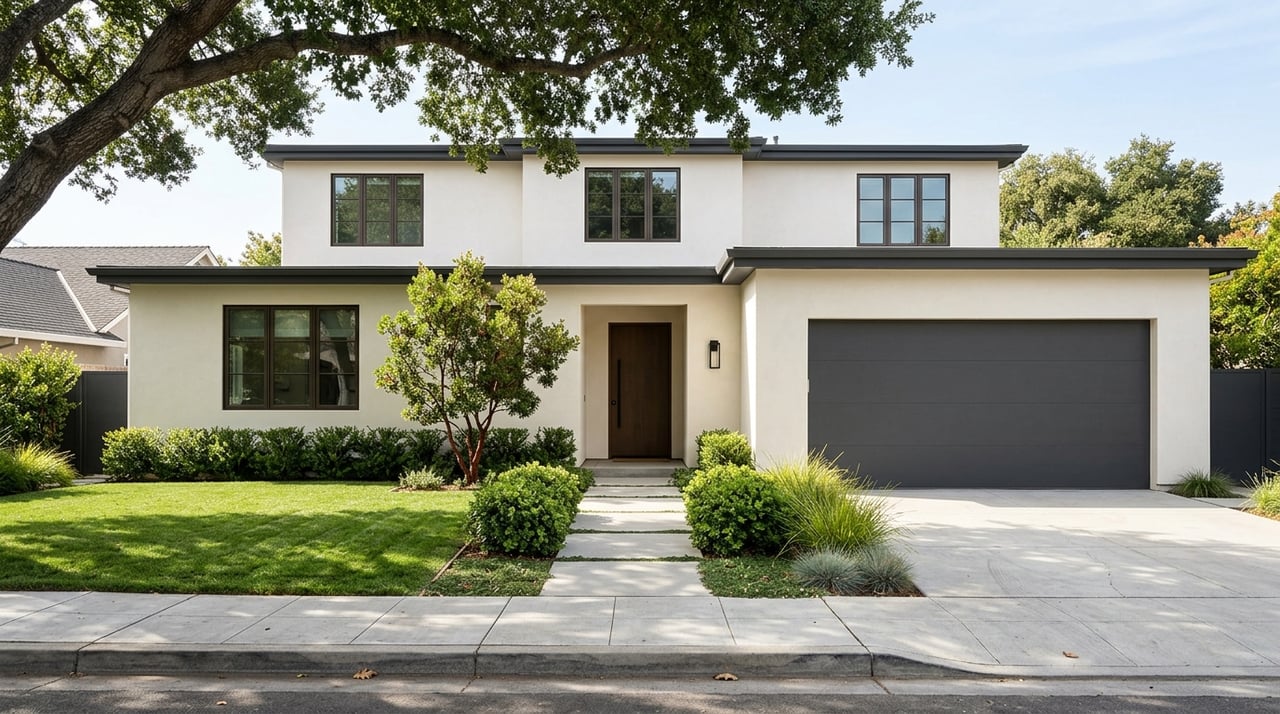
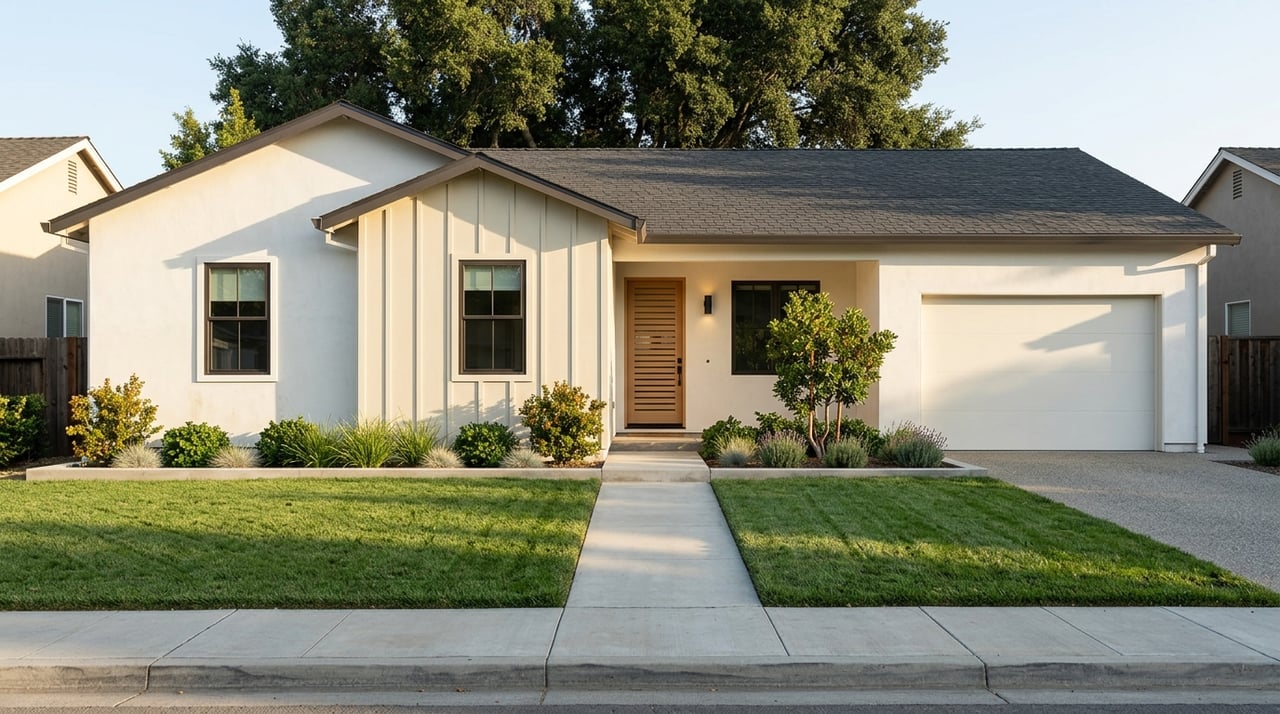
If you spend a day around Downtown Menlo Park, you will also notice how quickly the setting shifts as you move outward from the commercial core. Citywide, Menlo Park is still primarily made up of single-unit housing, with Census Reporter showing 62% of housing units in that category.
At the same time, the city’s downtown planning documents point to a different pattern near Santa Cruz Avenue and the station. Residential uses already exist in the plan area, and the city encourages housing in commercially zoned areas in and near downtown, including mixed-use commercial and residential development.
A Transition From Core to Nearby Blocks
The safest way to think about the area is as a transition from the busiest downtown blocks to quieter nearby residential streets. The city’s planning documents support that picture by identifying places near the core where housing and mixed-use projects can grow, while also emphasizing protection for adjacent residential neighborhoods around downtown.
The city is also exploring redevelopment of three downtown parking plazas north of Santa Cruz Avenue. Current planning materials point to at least 345 affordable units across those sites, along with zoning that allows multi-family residential, retail, office, personal services, and mixed-use projects.
Why Downtown Menlo Park Stands Out
A day around Downtown Menlo Park shows you something more useful than a simple list of shops or restaurants. It shows how a compact downtown can function as a practical, pleasant hub with transit access, public gathering spaces, nearby recreation, and an evolving residential edge.
For buyers, that can help clarify whether the area fits your routine and priorities. For homeowners, it is also a reminder that location value is often tied to how easily people can connect daily life to dining, transit, parks, and civic amenities in one place.
If you are considering a move in Menlo Park or the surrounding Peninsula, working with someone who understands the small differences between blocks, access points, and neighborhood patterns can make the process much easier. To talk through Menlo Park lifestyle, housing options, or your next move, connect with Lynne Mercer.
FAQs
What is Downtown Menlo Park centered around?
- Downtown Menlo Park is centered on Santa Cruz Avenue and the Menlo Park Caltrain station.
What can you do around Downtown Menlo Park during the day?
- You can enjoy coffee, shops, outdoor dining, Fremont Park, the Sunday farmers market, and nearby civic amenities like the library and Burgess Park.
How close is Caltrain to Downtown Menlo Park?
- The city says the Menlo Park Caltrain station is about one block from downtown.
What parks are near Downtown Menlo Park?
- Fremont Park is in the downtown core, and Burgess Park is within walking distance near the Civic Center.
How do you get around Downtown Menlo Park without driving?
- You can walk downtown, use Caltrain, connect to SamTrans service, or ride Menlo Park’s free city shuttles.
What kind of housing is near Downtown Menlo Park?
- Menlo Park is mostly single-unit housing citywide, but areas in and near downtown include existing residential uses and places where mixed-use and multi-family development are planned or allowed.