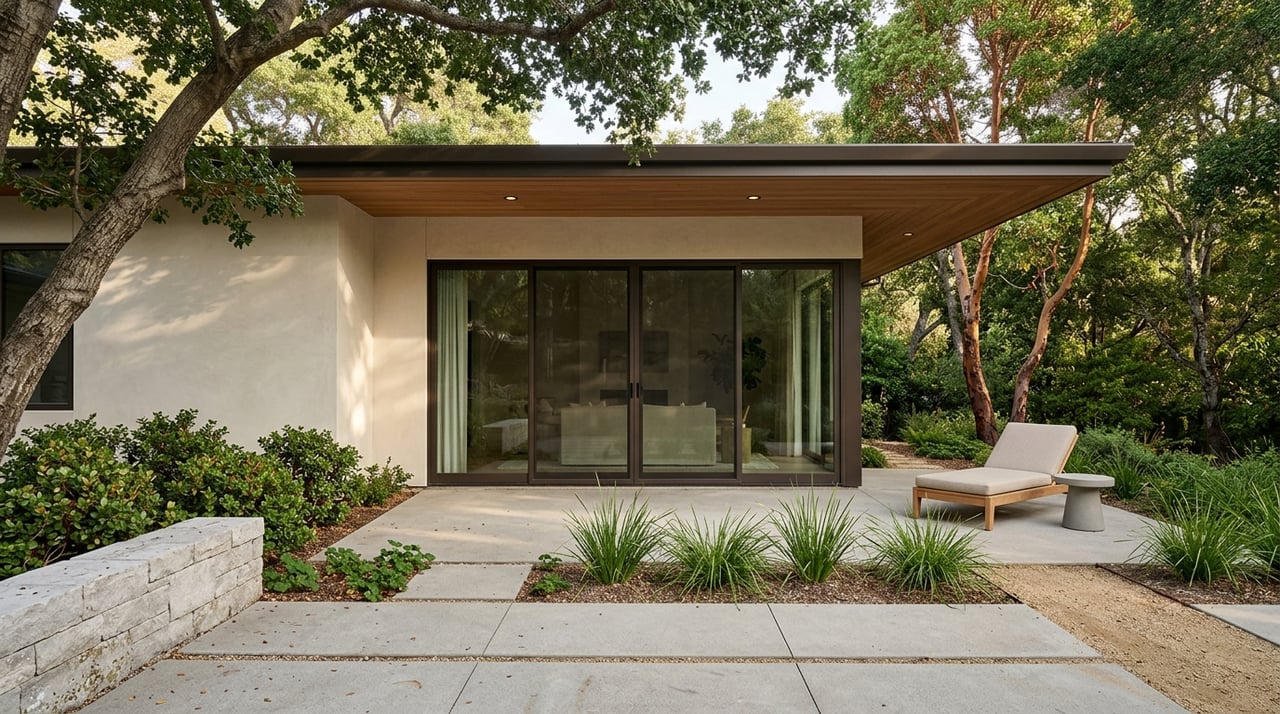
If you are thinking about Los Altos, one question matters more than almost anything else: do you want to be closer to the Village rhythm or the quieter foothill setting? Both sides of Los Altos share the city’s tree-lined, low-density character, but daily life can feel meaningfully different depending on where you land. This guide will help you understand how Village-adjacent living and foothill-oriented living compare, so you can picture what may fit your routine, priorities, and long-term goals. Let’s dive in.
Los Altos at a Glance
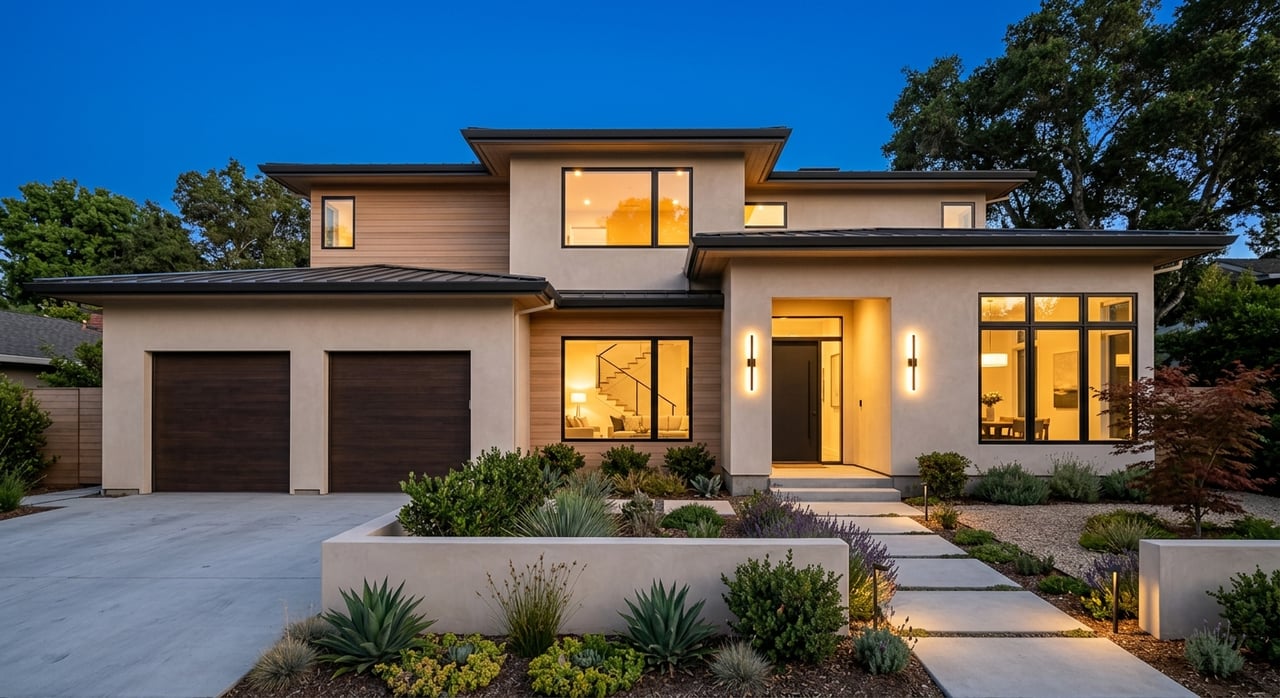
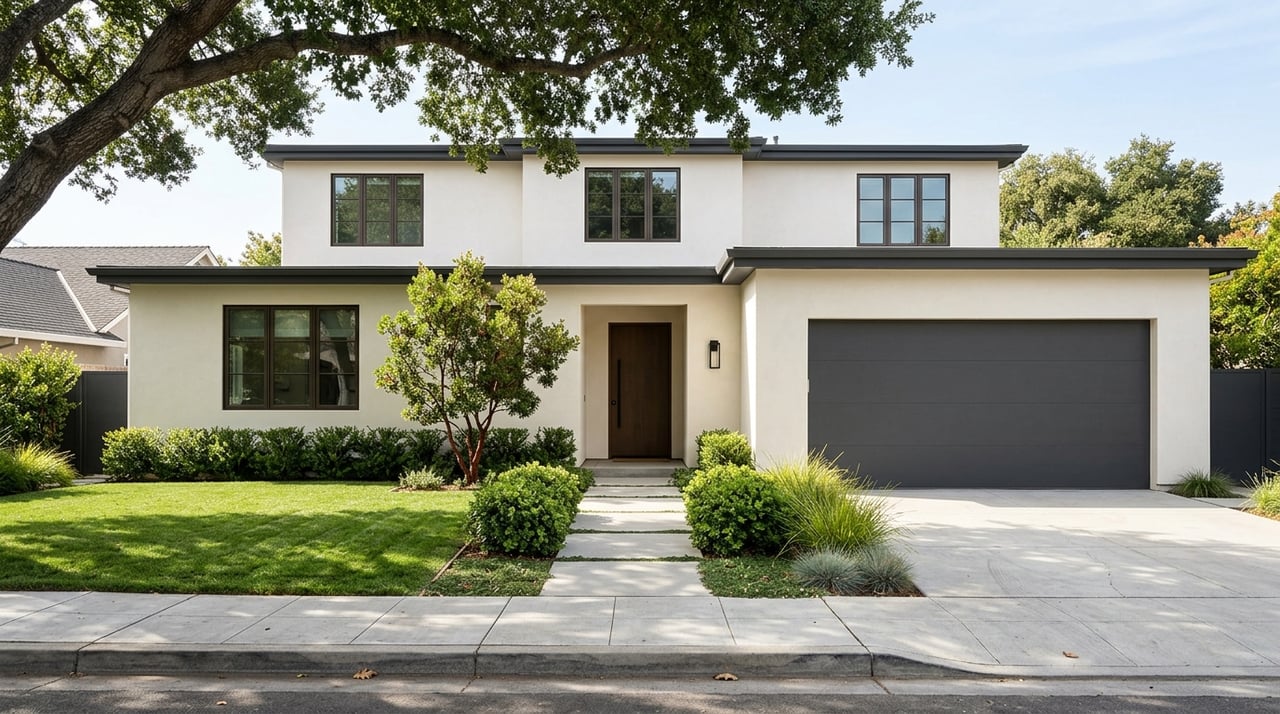
Los Altos is a roughly seven-square-mile residential city with a small village atmosphere and seven retail districts. City planning documents describe it as a low-density community with mature landscaping, neighborhood commercial areas, and predominantly low-profile, single-story structures.
That physical setting shapes the experience of living here. About 12,000 trees line Los Altos streets, which helps create the green, buffered feel many people notice right away. Instead of a dense urban pattern, you get a more residential environment with strong visual continuity.
What Village Living Feels Like
When people picture the most walkable, convenience-oriented side of Los Altos, they often mean homes that are closer to Downtown Los Altos and nearby retail areas. The city’s planning vision presents downtown as a true village center, not a high-rise or large-scale commercial district.
In practical terms, that can mean easier access to errands, dining, and community events. Veterans Community Plaza at Main and State is a central downtown gathering point, and the city’s Downtown Vision calls for wider sidewalks, landscape improvements, bicycle connectivity, and continued space for events and outdoor dining.
This part of Los Altos often appeals to buyers who want a more active day-to-day routine. You may find it easier to leave the car parked for shorter outings, enjoy the public realm more often, and feel more connected to the city’s retail core.
Village conveniences to know
If you prefer having daily needs and casual outings closer at hand, Village-adjacent living may offer advantages like:
- Quicker access to Downtown Los Altos
- Proximity to small retail districts such as Village Court and Foothill Crossing
- Easier access to dining and outdoor dining areas
- More pedestrian-leaning surroundings near the core
- Access to a downtown area with about 1,400 free public parking spaces
That does not mean every nearby street feels busy. Los Altos remains primarily residential in character, so even homes closer to downtown still sit within a city known for mature landscaping and a lower-profile built environment.
What Foothill Living Feels Like
On the foothill side of Los Altos, the lifestyle often shifts toward open space, privacy, and a quieter daily pace. This is where the city’s semi-rural character can feel especially pronounced, with mature landscaping, larger lots, and more visual separation between homes.
The foothill setting is closely tied to nearby natural amenities. Rancho San Antonio Preserve includes more than 25 miles of trails across a 2,180-acre open-space preserve and an adjoining 293-acre county park, with designated routes for hiking, bicycling, and equestrian use.
For many buyers, that access changes the rhythm of everyday life. Instead of orienting your week around downtown convenience, you may find yourself thinking more about morning walks, trail access, and a stronger sense of retreat.
Nature-oriented places nearby
Foothill-oriented living often connects more naturally with outdoor destinations such as:
- Rancho San Antonio Preserve
- Deer Hollow Farm, about a one-mile walk from the main parking lot
- Redwood Grove Nature Preserve
- Shoup Park, which connects directly to Redwood Grove by trail
These places support a lifestyle that feels greener and more secluded, while still being part of Los Altos. If you value open space and a quieter setting, the foothill side may be especially appealing.
How the Home Setting Can Differ
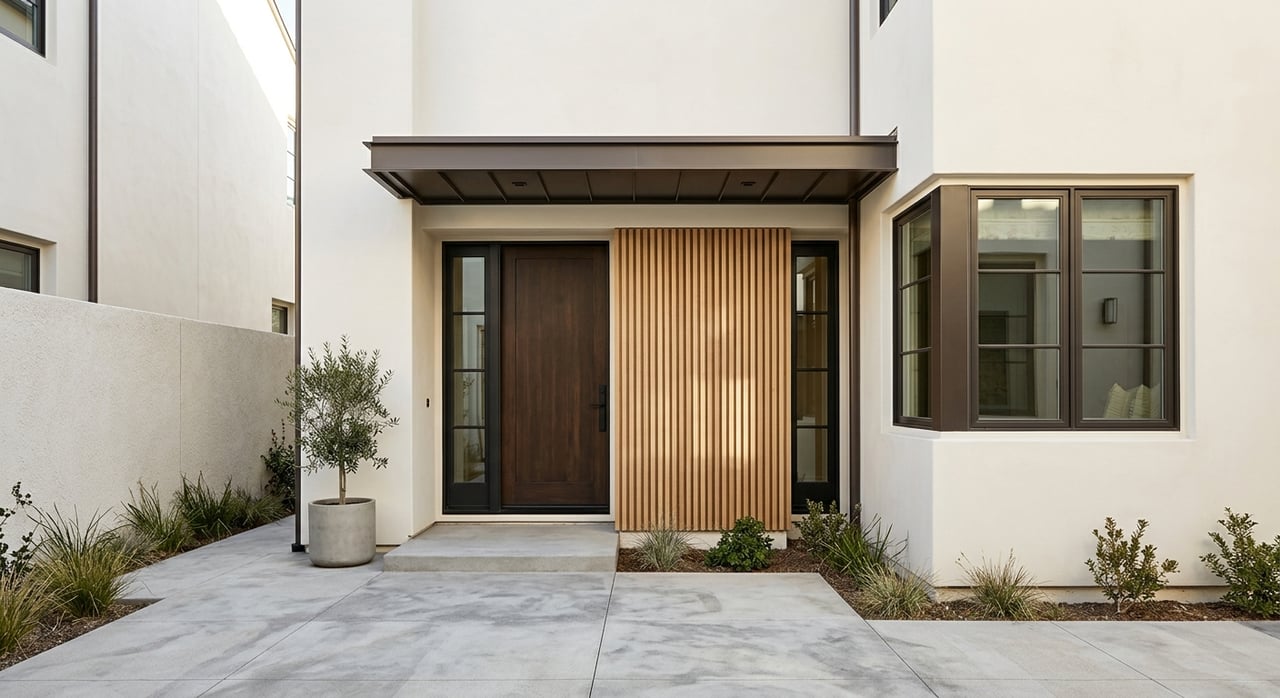
Across Los Altos, the city’s Residential Design Guidelines describe housing as semi-rural in character. Large lots, generous setbacks, mature landscaping, and privacy are recurring features in the city’s planning language.
Still, the feel from one area to another can vary. Village-adjacent streets may feel more convenience-oriented and pedestrian-leaning, while foothill areas may feel quieter, greener, and more tucked away. That distinction is based on the city’s planning context and open-space setting rather than a formal neighborhood classification.
Some streets in Los Altos also do not have sidewalks, according to the city’s Community Design and Historic Resources planning framework. That detail can influence how an area feels on foot and is worth noticing as you explore different parts of the city.
Quick comparison
| Lifestyle focus | Village-adjacent areas | Foothill-oriented areas |
|---|---|---|
| Daily rhythm | More convenience-driven | More nature-driven |
| Access | Closer to retail and dining | Closer to trails and preserves |
| Feel | More connected to the village core | More secluded and quiet |
| Streetscape | More pedestrian-leaning near downtown | More green, buffered surroundings |
| Home setting | Residential with easier downtown access | Residential with stronger retreat feel |
Downtown Without an Urban Scale
One of the most appealing things about Los Altos is that downtown can feel lively without feeling oversized. The city’s downtown vision emphasizes village character, outdoor gathering areas, improved access, and public space rather than intense vertical growth.
That matters if you want activity nearby but do not want a dense city environment. The parklet program and the continued focus on outdoor dining help reinforce a main street experience that feels active, social, and small in scale.
For some buyers, this balance is the sweet spot. You can enjoy a central district with events, dining, and public gathering space while still living in a city defined by tree canopy, low-profile buildings, and residential calm.
A City With Layered Character
Los Altos does not read like a uniform subdivision. Preservation efforts and the city’s historic inventory help protect older structures and visual compatibility, which adds a sense of continuity and local identity.
You can see that layered character in both the traditional downtown core and in residential areas shaped by mature landscaping and longstanding streetscapes. For buyers and sellers alike, that often translates into a stronger sense of place.
This is also one reason block-by-block context matters so much in Los Altos. Two homes may share the same city, but their lifestyle fit can differ depending on access, setting, lot configuration, and how closely they connect to either the Village or foothill pattern.
Which Los Altos Lifestyle Fits You?
If you enjoy having dining, small retail areas, and a central plaza atmosphere closer to your routine, Village-adjacent living may be the better match. It can be a strong fit if you want more convenience woven into everyday life while still enjoying Los Altos’ residential setting.
If you are drawn to open space, mature landscapes, and a quieter pace, foothill-oriented living may feel more natural. It can be especially appealing if privacy, greenery, and trail access rank high on your list.
Neither option is better across the board. The right choice depends on how you want your days to feel, how you define convenience, and whether you want to be pulled more toward the village center or the open-space edge of town.
If you are weighing where to buy or preparing to sell in Los Altos, working with someone who understands these micro-differences can make the decision much clearer. Lynne Mercer brings decades of Peninsula experience and thoughtful, client-first guidance to help you navigate Los Altos with confidence.
FAQs
What is the overall lifestyle in Los Altos like?
- Los Altos is a low-density residential city known for tree-lined streets, mature landscaping, small retail districts, and a small village atmosphere.
What is Village-adjacent living in Los Altos?
- Village-adjacent living generally refers to areas closer to Downtown Los Altos and nearby shopping districts, where daily life may feel more convenience-oriented and pedestrian-leaning.
What is foothill living in Los Altos?
- Foothill living generally refers to areas more connected to open space, larger-lot residential settings, and a quieter rhythm shaped by greenery, privacy, and trail access.
Does Downtown Los Altos feel urban?
- No. City planning emphasizes a village character with public gathering space, outdoor dining, and improved walkability rather than a dense urban scale.
Are there outdoor recreation options near Los Altos foothill areas?
- Yes. Nearby options include Rancho San Antonio Preserve, Deer Hollow Farm, Redwood Grove Nature Preserve, and Shoup Park.
Do all Los Altos streets have sidewalks?
- No. City planning documents note that some Los Altos neighborhoods include streets without sidewalks, which can affect how an area feels on foot.