Thinking about selling your Palo Alto home and wondering if you should renovate first? In a market where prices are high and inventory is tight, the right prep can speed your sale and protect your price. The wrong projects can waste time and money. This guide gives you a clear, local framework to decide what to update, what to skip, and how to time it for the best result. Let’s dive in.
Palo Alto market snapshot
Palo Alto remains a high-value, low-inventory market where many well-presented homes still move quickly. Recent data show that competitive listings can go under contract in the low-to-mid teens for days on market, though timing varies by property and price tier. You can see this pattern in Redfin’s latest snapshot of Palo Alto’s market.
Neighborhoods behave differently. Some areas, such as Crescent Park and Old Palo Alto, sit at the top of the price range, while others show mixed momentum. Local reporting confirms that recent price trends and inventory vary by sub-neighborhood, so renovation choices should be tailored to your specific street and comp set. Review the citywide picture in this neighborhood-level overview of recent price patterns.
Many Palo Alto owners are equity-rich, which gives you flexibility to invest in targeted prep if it will improve your net. Data providers show a high share of local properties with substantial equity positions. You can explore local property trends via ATTOM’s Property Navigator.
Bottom line for sellers: in a high-demand market, small to moderate improvements that make your home feel move-in ready often pay, while big, specialized remodels can outpace what buyers will pay on your block.
What buyers value in Palo Alto
Buyer priorities here reflect both lifestyle and tech-forward preferences:
- Updated kitchens and bathrooms with clean, neutral finishes.
- Great light and simple, open flow.
- Solid systems: roof, HVAC, electrical, plumbing.
- Usable outdoor space with low-maintenance landscaping.
- Flexible space for work-from-home and hobby use.
- Energy and tech features like EV charging and efficient systems.
- Proximity to Palo Alto Unified School District schools is often part of buyer decision-making.
Presentation also matters. High-quality photos and thoughtful staging help buyers visualize living in your home and can shorten time on market. NAR’s home staging research reports meaningful benefits in buyer perception and, in many cases, modest price lifts.
Renovate or sell as-is? A simple framework
Use these neighborhood-sensitive rules to choose the right scope.
Start with comps you will compete against
Look at recent, nearby sales with similar size, lot, and style. If your best comps are turnkey and your home shows dated finishes, a focused refresh can help you capture that price range. If your block supports location and lot value more than finish level, a lighter touch may be smarter. The neighborhood map and trend report is a good starting point.
Fix confidence killers first
Address items that will alarm buyers or inspectors. Think roof leaks, obvious electrical hazards, or visible water damage. If a repair is likely to come up in inspections or reduce buyer confidence, handle it before listing or disclose and price accordingly. The City details permit requirements and plan checks on its Development Services page.
Prioritize photo-first upgrades
Most buyers meet your home online first. Fresh paint, floor refinishing, new lighting, and curated staging often deliver the best return because they transform photos and first impressions. NAR’s staging report highlights these gains.
Avoid overbuilding for the block
The latest Cost vs Value report shows many lower-cost exterior and midrange projects recoup the highest percentage of cost, while major luxury remodels often return less. Local appraisers echo this point: if you push finishes far above neighborhood norms, comps may not support your spend. See Bay Area guidance from Schumacher Appraisal.
Respect timelines and permitting
Small cosmetic jobs can be quick, but material lead times and contractor schedules can extend calendars. Plan well. The City outlines permits and inspections for structural, electrical, and plumbing changes on its permit process page, and typical project durations are summarized below.
Projects that usually pay off here
These upgrades often deliver strong value in Palo Alto when scoped and finished appropriately:
- Whole-house interior repaint and deep clean. Low cost, big impact in photos and in person. Pair with staging for maximum effect. Supported by NAR’s staging findings.
- Professional staging and high-quality photography. Consistently shortens days on market and can lift offers, per NAR research.
- Minor kitchen refresh. Reface or refinish cabinets, update counters, swap in modern appliances and lighting. The Cost vs Value report shows midrange kitchen updates frequently recoup a large share of cost, with strong buyer appeal here.
- Bathroom refresh. New vanity, fixtures, lighting, and selective tile replacement often read as “new” without a full gut, aligning with regional ROI patterns.
- Flooring. Refinish existing hardwoods or replace worn materials with neutral options. Floors dominate photos and walk-through impressions.
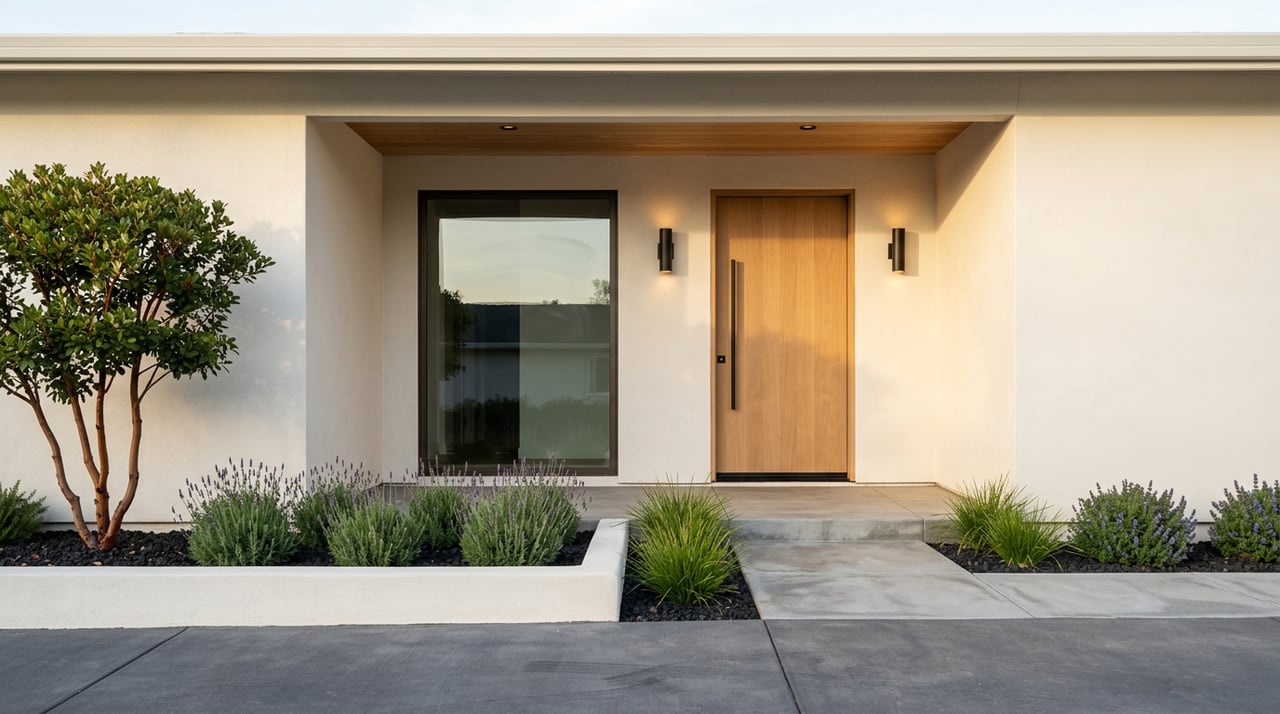
- Curb appeal. Landscaping, a crisp front door, and a clean garage door are perennial top performers in the Cost vs Value data.
- Key systems repairs. Tackle roof, HVAC, electrical, and sewer issues that can derail escrow or invite heavy discounts. Verify permit needs with the City’s Development Services.
Projects to think twice about
These often do not pencil out for a sale within 12 months, or they face long timelines:
- High-end, highly personalized finishes beyond neighborhood norms. Buyer pools shrink as price rises, and comps may not support the premium. See Bay Area appraiser commentary.
- Large additions that overbuild the lot or block. Added square footage can add value, but neighborhood ceilings are real. The Cost vs Value report shows lower percentage recoup for major scope.
- Swimming pools and elaborate hardscape in areas where they are not the norm. High cost, maintenance considerations, and mixed buyer preference limit ROI, per Schumacher Appraisal.
- Full gut kitchen or structural reconfigurations on a tight sale timeline. Long lead times and higher Bay Area premiums make a well-executed refresh a better bet in the near term. Typical durations are outlined below with industry norms from trade sources.
Timelines you can rely on
Plan conservatively so you hit your target list date with strong presentation.
- Decluttering, deep clean, paint, and staging: about 1 to 2 weeks from contractor engagement to photo-ready, per industry timing guidance.
- Flooring refinish or replacement: often 1 to 3 weeks, depending on scope and materials.
- Minor kitchen refresh: 4 to 12 weeks for construction. Total calendar may extend with design choices, material lead times, and inspections, consistent with regional project durations.
- Full kitchen gut, additions, or ADUs: plan for several months for design, permit review, and construction. The City’s permit process includes plan checks and inspections that add time.
Tip: Before committing to a remodel for resale, get written estimates that include lead times and a firm schedule. Build a buffer for surprises.
How Compass Concierge can help
If you prefer not to pay upfront for improvements, Compass Concierge can front eligible costs such as paint, floors, lighting, landscaping, repairs, and staging, with repayment typically at closing or at the end of the program term. Program details and eligibility vary by market and provider. Review the scope, fees, and repayment triggers on the Compass Concierge page and confirm specifics with your Compass agent.
Concierge tends to be a good fit when:
- You have strong equity but want to preserve cash on hand.
- Your home needs targeted, high-impact prep to compete with nearby turnkey listings.
- You want a coordinated, faster path to photo-ready and prefer not to manage multiple vendors.
Not every project qualifies, and large structural changes are rarely practical within typical Concierge timelines. Always review the local agreement before proceeding.
A 12 to 24 month plan to maximize results
If you are planning ahead, this simple sequence keeps you on track and avoids scope creep.
12 to 18 months before listing
- Meet a top local listing agent to review sub-neighborhood comps and set goals. Discuss buyer profiles and likely finishes needed to compete. Use neighborhood context like this recent trend report to frame decisions.
- Order a pre-listing inspection or contractor walk-through to flag safety issues and obvious repairs. Confirm permit needs with the City’s Development Services.
- Draft a simple cost-versus-value memo. For each item, note estimated cost, calendar time, and expected buyer impact using the Cost vs Value report as a guide.
6 to 9 months before listing
- Decide on financing approach: cash, short-term financing, or Compass Concierge.
- Lock contractors and order materials to avoid delays. Ask for written lead times.
- Start medium-scope work like a kitchen or bath refresh to finish well before photos.
1 to 3 months before listing
- Complete paint, flooring touch-ups, lighting swaps, landscaping, and cleaning.
- Stage and schedule professional photography and a virtual tour. NAR research supports the impact of staging on buyer engagement.
- Finalize pricing based on the most recent comps and your finished condition.
Quick seller checklist
Use this as your go-to pre-list guide.
High leverage, short timeline:
- Declutter, deep clean, and depersonalize spaces. Hire a pro cleaner.
- Neutral interior paint and light exterior touch-ups.
- Staging, professional photos, and a virtual tour.
- Replace dated lighting, cabinet hardware, and visibly worn fixtures. Refinish floors where needed.
Medium effort, medium timeline:
- Kitchen refresh with refaced cabinets, new counters, and modern appliances.
- Bathroom refresh with new vanity, fixtures, and selective tile work.
- Curb appeal upgrades such as landscaping, driveway tune-ups, and a crisp front door or garage door.
Major projects to weigh carefully:
- Large additions, full re-layouts, and ADUs. Consider cost, permits, neighborhood ceilings, and whether your timeframe supports the work.
The bottom line
In Palo Alto, you usually do not need a full remodel to sell well. Buyers pay for move-in-ready presentation, solid systems, and clean, modern finishes. Focus on the few updates that matter most in your sub-neighborhood, keep timelines realistic, and use smart financing tools if needed. If you want a tailored plan and a calm, experienced guide from start to finish, reach out to Lynne Mercer for a consultation.
FAQs
Should Palo Alto sellers renovate or list as-is in a low-inventory market?
- Often, a targeted refresh beats a major remodel. Data show modest, cosmetic updates and staging can lift buyer interest in high-demand markets, while large luxury projects tend to recoup less of their cost.
Which pre-sale projects have the best ROI in Palo Alto?
- Paint, staging, minor kitchen and bath updates, flooring refinishing, and curb appeal are frequent winners according to the Cost vs Value report and local appraiser guidance.
How fast can I complete prep work before listing my Palo Alto home?
- Many cosmetic projects wrap in 1 to 3 weeks. A kitchen refresh can take 4 to 12 weeks, and major renovations can run several months. Confirm permits with the City’s permit process and get written contractor timelines.
What is Compass Concierge and how does it help sellers?
- Concierge can front eligible improvement costs, with repayment typically at closing. It suits sellers who want targeted prep without paying upfront. Review details and eligibility on the Compass Concierge page.
How do neighborhood differences in Palo Alto affect renovation choices?
- Trophy areas sometimes support pricing based on location and lot, so buyers may accept light cosmetic work. In tracts with many remodeled comps, dated finishes can slow absorption. Check your sub-neighborhood’s recent trends in this local overview.
What should I repair first to avoid escrow issues?
- Address roof leaks, electrical hazards, HVAC problems, and plumbing or sewer issues that could fail inspections. Confirm permit and inspection requirements with the City’s Development Services.