If you are thinking about selling in Mountain View, you are not entering a slow market that gives you weeks to fix mistakes. Homes here can move fast, and buyers often make decisions from the first photos they see. The good news is that smart preparation can help you stand out, reduce surprises, and put your home in the best position before it hits the market. Let’s dive in.
Why prep still matters in Mountain View
Mountain View remains a very competitive seller’s market. Redfin’s March 2026 snapshot shows a median sale price of $2.0 million, a median of 9 days on market, about 3 offers per home, a 108.8% sale-to-list ratio, and 82.7% of homes selling above list price. Realtor.com’s Santa Clara County data is less aggressive, but it still points to seller-favorable conditions with a 102% sold-to-list ratio.
In a market like this, it is easy to assume any home will sell quickly no matter what. But fast-moving markets often reward homes that look polished, feel easy to understand, and present fewer unanswered questions. Strong prep can help you attract better early interest and support a cleaner offer process.
Match your prep to your home type
Not every Mountain View property should be prepared the same way. The city’s planning materials show that areas around Castro Street and the Downtown Transit Center are denser, mixed-use, and transit-oriented, while areas like Miramonte/Springer and Grant Road/Sylvan Park are more single-family residential. North Bayshore has a more office-oriented pattern and sits apart from much of the city because of Highway 101.
That local context can shape what buyers notice first. For homes in more urban, mixed-use settings, buyers may focus more on interior finish, layout, and how smoothly the home shows online. For single-family homes, buyers often pay closer attention to curb appeal, outdoor usability, and overall move-in-ready condition.
Condo and townhome prep priorities
If you are selling a condo or townhome, clarity matters. Buyers may compare several similar homes quickly, often online first.
Focus on making these points easy to understand:
- Parking arrangements
- Storage space
- HOA information
- Common-area appearance
- What makes your unit feel especially functional or updated
When buyers can quickly understand how the property works, they are better able to picture daily life there.
Single-family home prep priorities
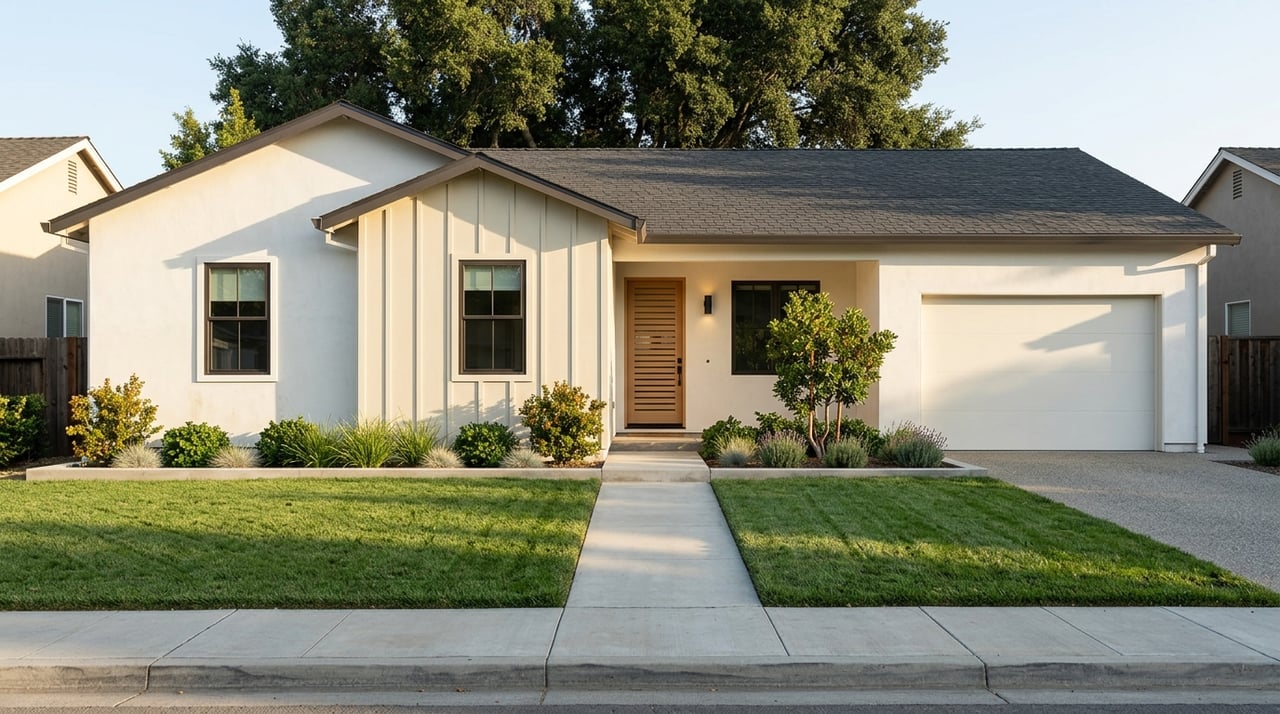
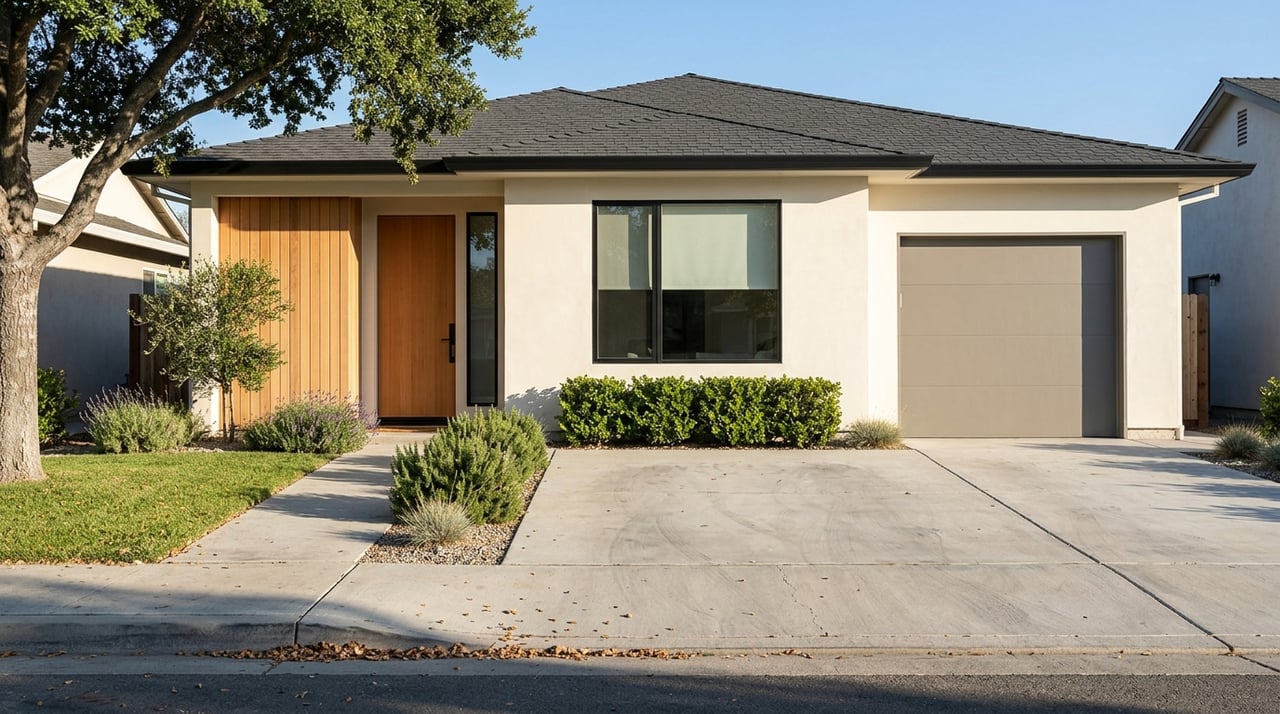
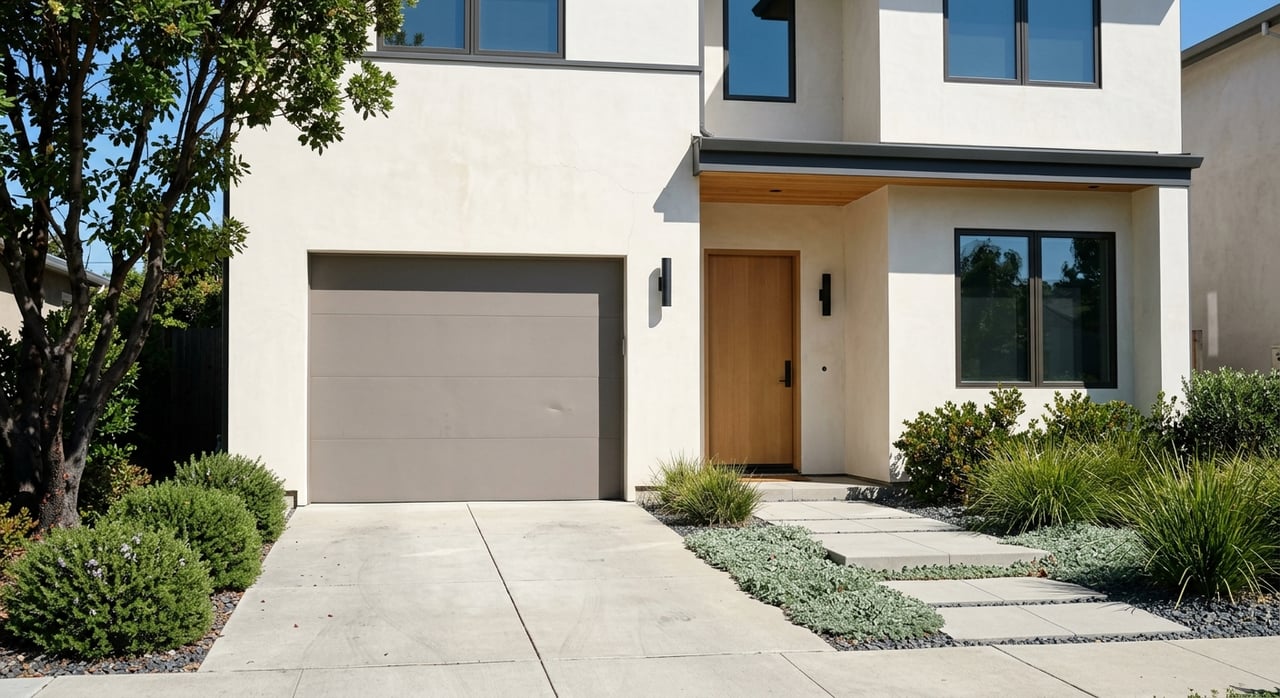
If you are selling a single-family home, your exterior presentation usually carries more weight. Buyers often notice the front yard, entry, and backyard potential before they study small interior details.
That means your prep plan should likely include:
- Front entry touch-ups
- Basic landscaping cleanup
- Fresh paint where needed
- A tidy, usable yard
- Small repairs that support a move-in-ready feel
Start with inspection and disclosure planning
One of the smartest ways to prepare for a standout sale is to understand your home before buyers do. A pre-sale inspection is not required, but NAR notes that it can identify issues with the roof, plumbing, electrical, heating and air conditioning, interiors, insulation, ventilation, and fireplaces. It may also uncover concerns like mold, radon, lead paint, or asbestos.
This matters because surprises discovered late can weaken your position. If you know about an issue early, you can decide whether to repair it, price for it, or disclose it clearly before marketing begins. That kind of planning helps you stay in control.
Older homes need extra attention
If your home was built before 1978, federal EPA rules require sellers of most pre-1978 homes to disclose known lead-based paint hazards and provide the required pamphlet. California also requires Natural Hazards Disclosure when a property is located in a mapped hazard zone, such as a seismic hazard area.
For many long-term Mountain View owners, this step is especially important. If an inspection reveals a significant issue, your repair strategy, pricing plan, and disclosure language should all line up before the listing goes live.
Know what work needs a permit
In Mountain View, permit rules matter. The city says minor repairs like painting and carpeting usually do not require permits, but many other projects do. That includes reroofing, replacing a porch, installing an AC unit, replacing a water heater, and installing new windows.
This is one reason sellers should avoid making last-minute decisions on bigger repairs. Mountain View also offers searchable permit history back to 2000, though not every record may be online. Reviewing past work early can help you spot questions before a buyer does.
Timing can affect your launch
If your prep list includes work that needs city review, give yourself more time than you think. Mountain View reports that typical building-permit review timelines are about 3 weeks for additions and whole-house remodels on the initial submittal, and express permits also typically take about 3 weeks. Planning review can take longer for larger or more complex projects.
That does not mean every issue should be fixed before you sell. It does mean you should decide early whether a repair is worth doing, whether it should be disclosed instead, or whether pricing should reflect the condition.
Focus on high-return cosmetic updates
In most cases, small improvements offer the best return before a sale. Realtor.com guidance for Santa Clara County says minor cosmetic updates such as paint, fixtures, and landscaping typically pay off, while major renovations rarely return their full cost. NAR also recommends cleaning windows, carpets, lighting fixtures, and walls, along with decluttering and improving curb appeal.
This is welcome news if you do not want a large, disruptive pre-sale project. You usually do not need a full remodel to make a strong impression. You need a home that feels clean, cared for, and easy for buyers to imagine moving into.
Smart updates to consider
Depending on your home’s condition, these are often worthwhile:
- Fresh interior paint in worn areas
- Updated light fixtures or hardware
- Deep cleaning throughout the home
- Carpet cleaning or replacement if needed
- Window cleaning
- Landscape cleanup and mulch
- Front door or entry refresh
The goal is not to make your home look overly customized. The goal is to make it feel bright, maintained, and market-ready.
Staging helps buyers see the space
Staging is more than decoration. NAR’s 2023 findings show that about 80% of buyer’s agents think staging helps clients visualize living in a home. About a third say staging can increase value by 1% to 10% compared with similar unstaged homes.
That can matter in Mountain View, where buyers may move quickly and decide fast. Vacant rooms can feel smaller or harder to read, while even light staging can help define scale and function.
Where staging matters most
You may not need to stage every room fully. In many homes, the biggest impact comes from key spaces such as:
- Living room
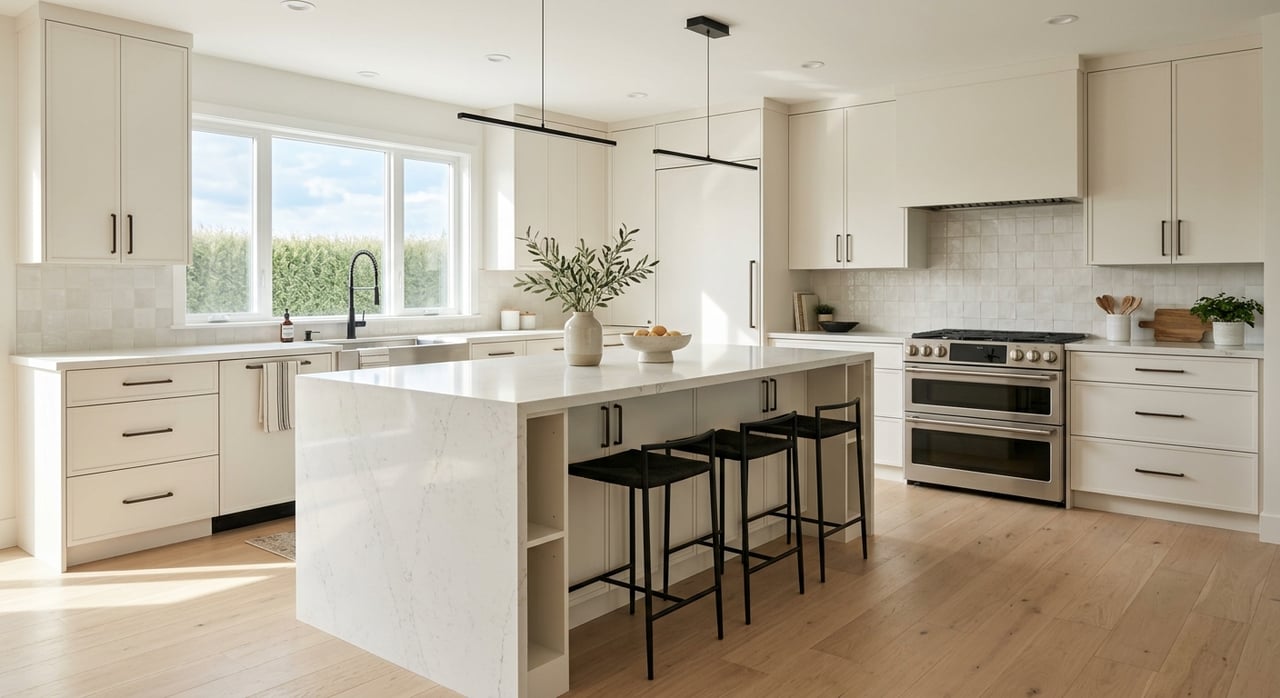
- Kitchen and dining area
- Primary bedroom
- Main outdoor entertaining area
- Home office or flex space
A thoughtful staging plan can also help highlight how a home fits modern Peninsula lifestyles, especially if buyers are looking for flexible work-from-home options.
Treat photos as the first showing
Today, online presentation is not optional. NAR says nearly half of interested buyers begin their search online, and 81% consider listing photos the most important factor when evaluating properties. Professional photos, video, virtual tours, floor plans, and digital walkthroughs can all help buyers understand the home before they book a visit.
In Mountain View, where homes often move quickly, your photos and floor plan are often the first showing. If the listing feels incomplete, confusing, or visually flat, some buyers may move on before ever stepping inside.
Keep digital marketing honest
If virtual staging or other digital edits are used, California law matters. Business and Professions Code 10140.8 requires a conspicuous disclosure and a link, URL, or QR code to the original unaltered image when a digitally altered image is used in real estate advertising. The practical takeaway is simple: present the home clearly and attractively, but do not create a version buyers cannot verify in person.
Consider a pre-list funding option
Some sellers want to complete prep work without paying for everything upfront. If that sounds familiar, Compass Concierge may be worth considering. According to Compass, the program can front approved services such as staging, flooring, painting, deep cleaning, landscaping, cosmetic renovations, and seller-side inspections and evaluations, with repayment due at closing under program terms.
For the right seller, that can create flexibility. It may allow you to complete the updates that help your home compete without reshaping your short-term cash flow before the sale.
Plan your launch earlier than you think
A standout sale usually starts before listing week. Realtor.com’s 2026 Best Time to Sell report identifies April 12 through 18 as the best national week to list and notes that high-demand tech hubs often begin their spring market earlier. Santa Clara County data also points to especially strong demand in cities including Mountain View.
The bigger lesson is timing. If homes are moving in about 9 days, launch day should not be the first day you start getting ready. A safer and more effective sequence is to inspect, review permits and disclosures, choose only the highest-return fixes, stage, photograph, and then go live when everything is ready.
A simple Mountain View prep checklist
If you want a practical way to think about your next steps, start here:
- Review your likely sale timeline.
- Schedule a pre-list inspection if appropriate.
- Check permit history and flag any questions.
- Decide what to repair, disclose, or leave as-is.
- Prioritize cosmetic updates with the best return.
- Deep clean and declutter thoroughly.
- Stage key rooms for scale and function.
- Prepare professional photos, floor plans, and other marketing assets.
- Launch only when the home is fully presentation-ready.
A well-prepared listing does not just look better. It often feels easier for buyers to trust, understand, and compete for.
If you are getting ready to sell in Mountain View, thoughtful preparation can make a meaningful difference in both buyer response and the overall transaction experience. With local market knowledge, careful planning, and polished presentation, you can enter the market with more confidence. When you are ready for experienced, hands-on guidance, connect with Lynne Mercer.
FAQs
What should sellers fix before listing a Mountain View home?
- In many cases, the best pre-list fixes are minor cosmetic updates, deep cleaning, landscaping, and small repairs that improve condition and presentation without over-improving the home.
Do Mountain View home repairs require permits before a sale?
- Some do. The city says minor repairs like painting and carpeting usually do not require permits, but many projects such as reroofing, new windows, water heater replacement, porch replacement, and AC installation typically do.
Is staging worth it for a Mountain View home sale?
- Often, yes. NAR data shows staging helps many buyers visualize living in a home, and some agents report it can increase value compared with similar unstaged homes.
When should you start preparing a Mountain View home for sale?
- Start earlier than your intended list date. If inspections, disclosure review, permit questions, staging, and photography are involved, preparation should begin well before launch.
What matters most in Mountain View listing photos?
- Clear, professional visuals matter most because many buyers begin online, and listing photos are a top factor in how they evaluate homes. Floor plans and other digital assets can also help buyers understand the space quickly.